
 RUBYRWAProject Profile
Art
1.
Based on project provided data · Expected rate of return is not a confirmed return.
 Art, Collectibles & Real Estate
AI concept image. Not a photograph of the actual asset.
Real-world value.
New possibilities.
Project Overview
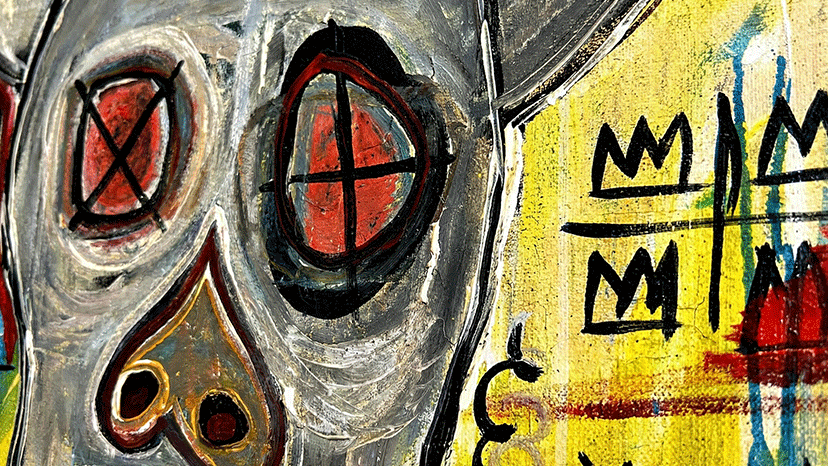
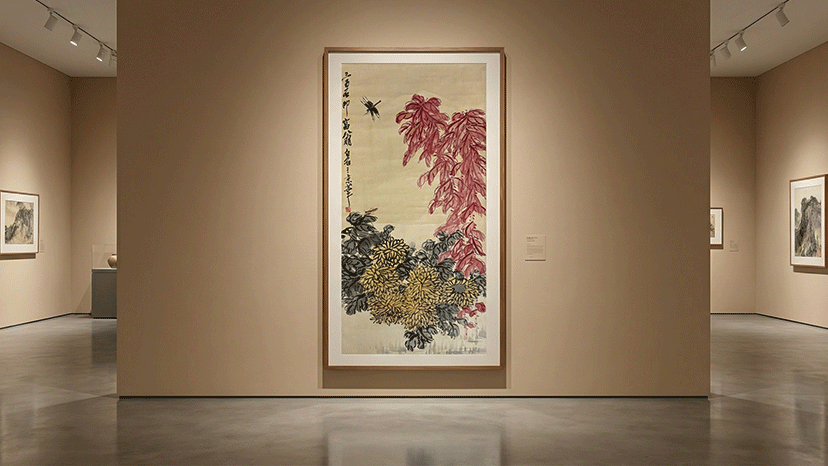
1. Jean-Michel Basquiat 2. Untitled (Skull), 1981 This work belongs to a group of key paintings produced in 1981, a decisive period when Jean-Michel Basquiat completed his transition from street-based art (SAMO) to fully realized studio painting. 2. Qi Baishi (齊白石, 1864–1957) Qi Baishi is regarded as one of the most important masters of modern Chinese ink painting. With a concise and economical use of brush and ink, he captured the essence and vital energy of life. Qi Baishi’s Chrysanthemum and Figure-with-Chrysanthemum themes represent his late-period artistic world and constitute a body of work in which the spirit of traditional Chinese literati painting is expressed in its most concise and condensed form.
Business Overview
1. Jean-Michel Basquiat Untitled (Skull), 1981 Basquiat’s skull paintings are among the most consistently highly valued groups within his oeuvre. • Untitled (1982) sold for USD 110.5 million at Sotheby’s in 2017 The year 1981 represents the pivotal stage immediately preceding this peak—when Basquiat’s visual language had fully coalesced, while rarity remained intact—making works from this year particularly significant. From the perspective of RWAHUB, this work represents more than a famous image. It embodies a clearly defined artistic identity, a body of work in which year, motif, and market record are closely aligned, and a set of benchmarks already validated by the global art market. It is therefore not merely an object of visual appreciation, but an asset-based artwork in which context, documentation, and rarity coexist. 2. Qi Baishi (齊白石, 1864–1957) A Master of Modern Chinese Painting Who Depicted a Vast World Through Small Forms of Life Together with his paintings of shrimp, vegetables, and flowers, the chrysanthemum and figure-with-chrysanthemum themes form a central axis of Qi Baishi’s artistic world. These works are regarded as exemplary cases of the modern continuation of traditional painting, standing as representative achievements that demonstrate both the spiritual depth and formal strength of Chinese painting.
The Details.
See the Project.
Project introduction video/data imageOriginal reference images supplied on the previous website.
Original Reference Image 1Download Original Materials↓Original Reference Image 2Download Original Materials↓Original Reference Image 3Download Original Materials↓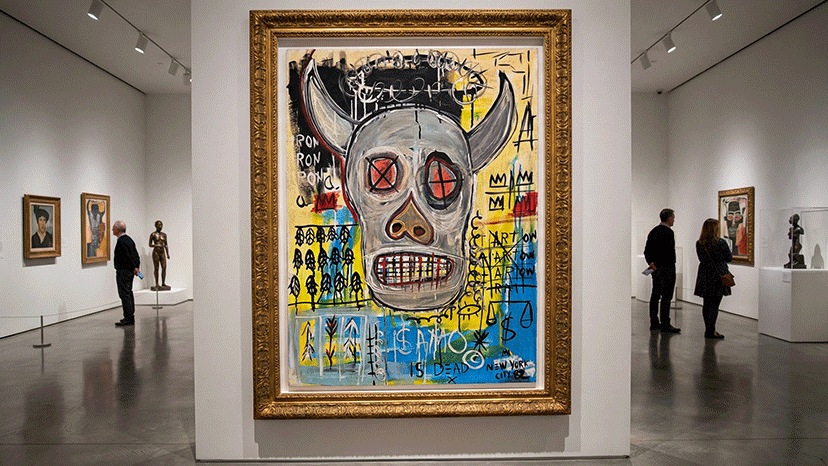
Explore the documents.
Discover the details.
This is a project-provided document that confirms the project structure and evaluation basis.
Explore More.
All Assets →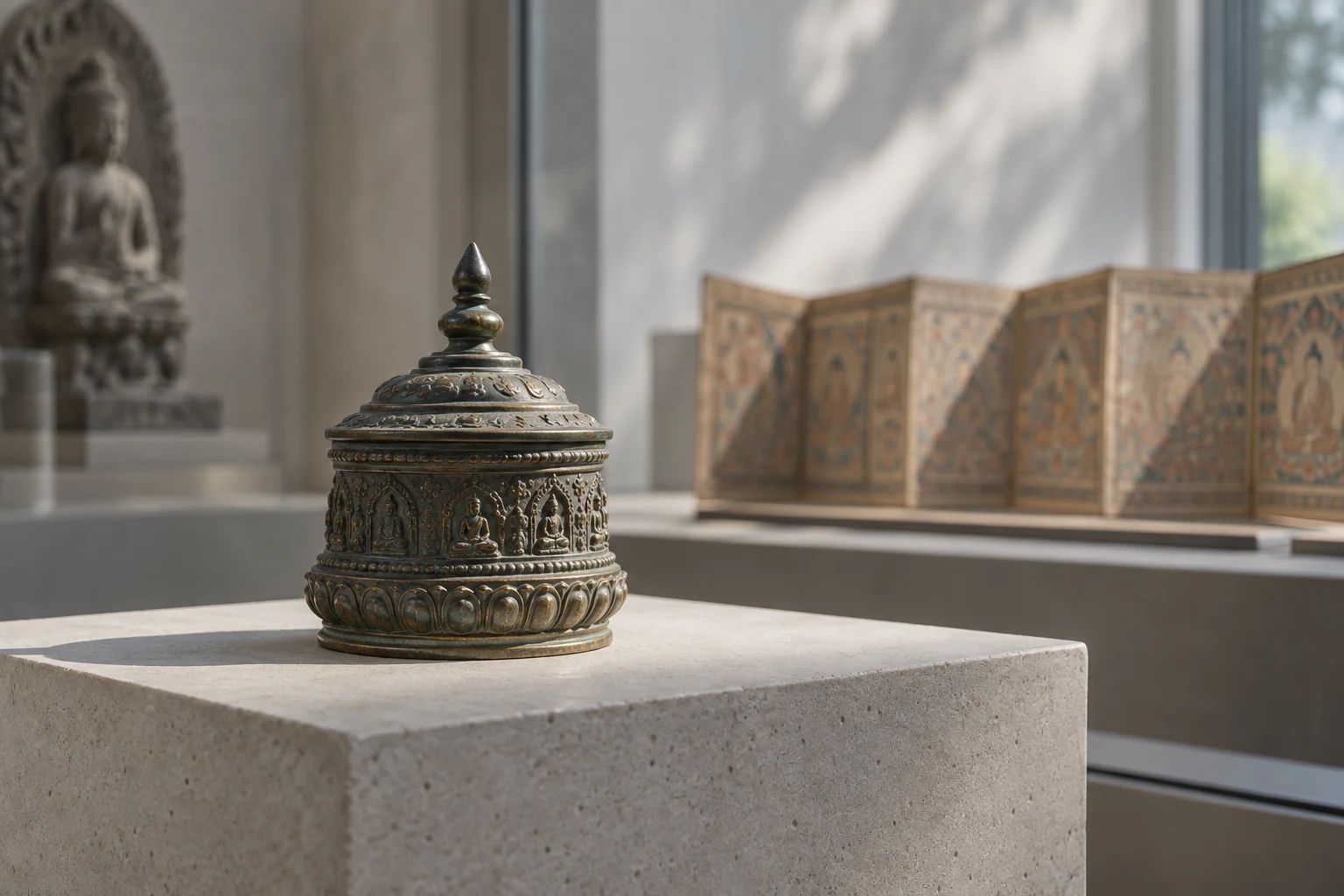 Details AvailableAI concept image
Buddhist relics
DAEKAKRWA
Historical Rarity and Irreplaceability. The Buddha's sarira is a physical asset of the highest religious hierarchy in the entire Buddhist world. The Cheonnyeongjeonggol embodies 2,000 years of Buddhist tradition and cannot be reproduced or replaced. The Avatamsaka Sutra is the product of 40 years of practice and cannot be reproduced under identical conditions. It meets the RWA evaluation criteria of Uniqueness and Non-Substitutability.
Explore the project→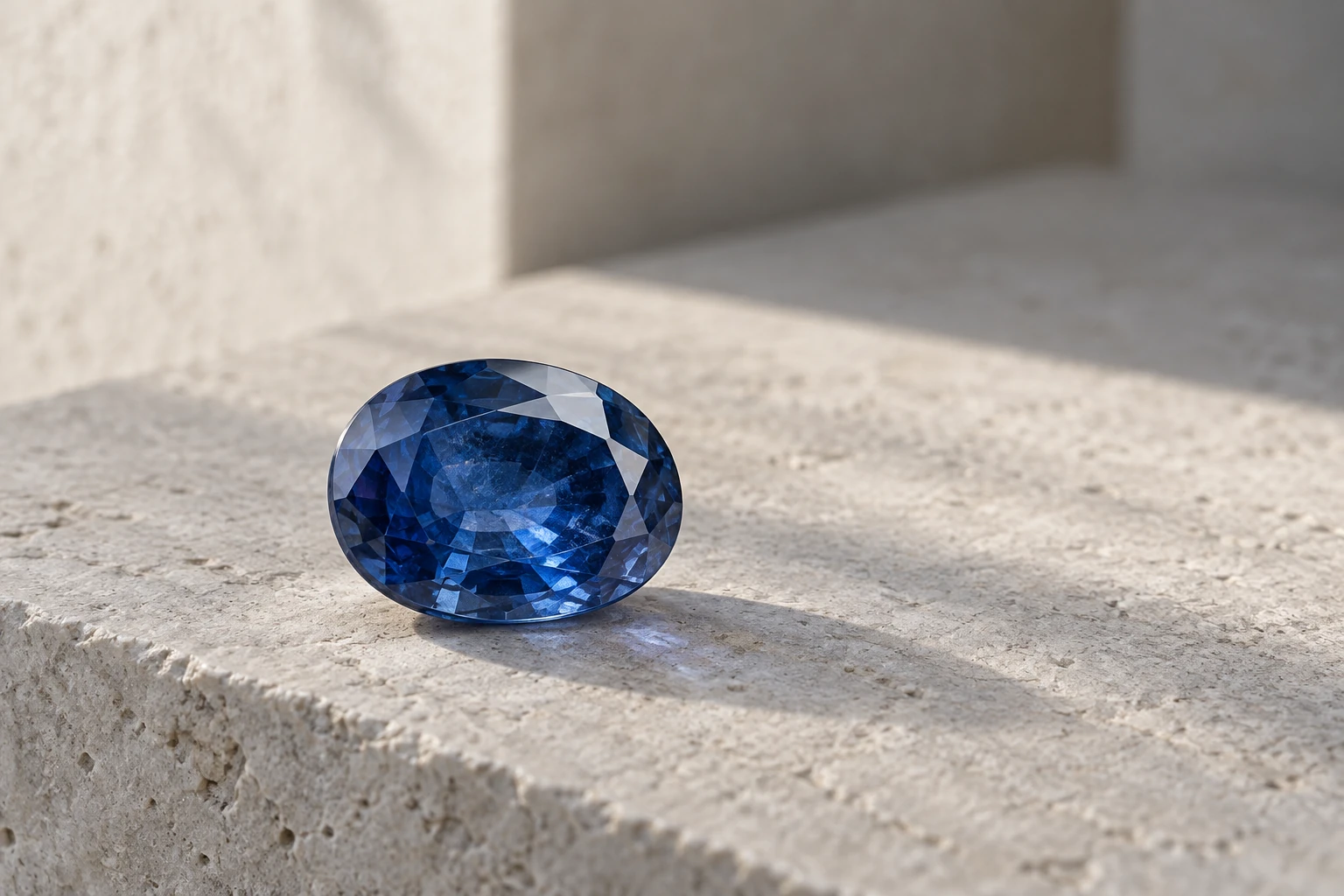 Details AvailableAI concept image
Sapphire1
JEWEL1RWA
This 1,327-carat sapphire, owned by Korea Global and stored at Hana Bank’s Gyodae branch in Seoul, has been appraised at approximately KRW 150 billion by the Korea–US Gemological Institute. Its rarity and certified valuation position it as a high-quality, RWA-backed tangible investment asset.
Explore the project→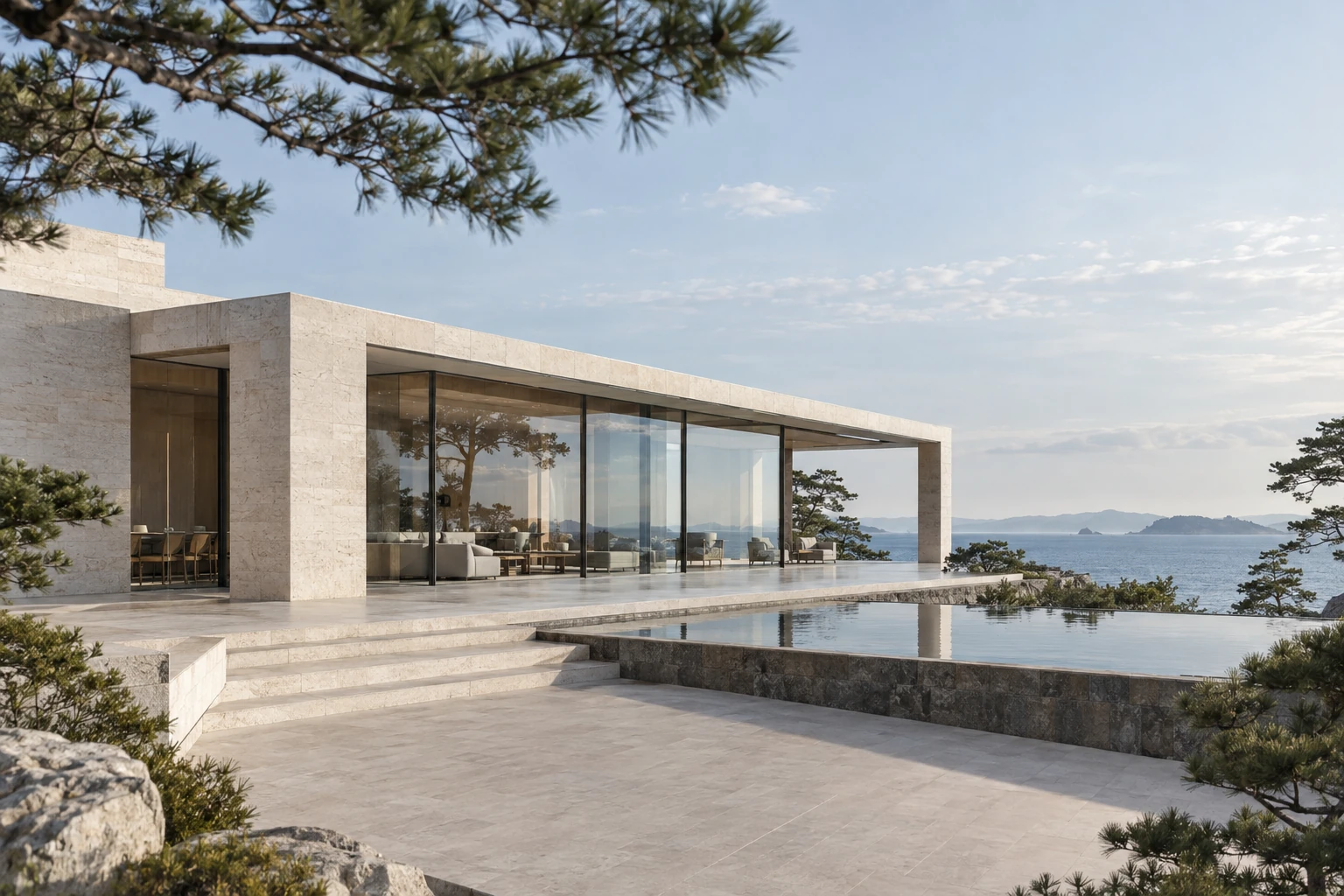 Details AvailableAI concept image
Goseong Resort
KOSUNGRWA
Goseong, Korea’s northernmost cultural tourism site, is an 80,000-pyeong RWA project featuring the nation’s first French museum and a year-round resort complex. With direct access to coastal and forest areas, the site offers long-term value growth and stable real-asset investment potential through large-scale cultural infrastructure development.
Explore the project→